



A railway journey through Southeast Asia becomes a study of place, movement, food, and the possibilities of mobile photography.
***
Five meals in a single day in Penang, under skies so clean and crystal clear—it couldn’t have been a more perfect ending to this nearly two-week journey, half business, half travel, heading south along the railway.
With a taste shaped by Cantonese cuisine and Yunnan flavors, Southeast Asia feels like home turf—I can walk into any local eatery or street stall and fully embrace it.
A collection of spontaneous stories along the way, plus photos taken almost entirely on my phone (about 90%), feels like enough to make for a pretty interesting travelogue.
Too lazy to do anything but go with the flow as soon as I landed, blending in with the locals. Too lazy to even think about being a vlogger during the trip.
The start of 2026 has been quite something. In the early hours of March 6, the night before heading back to Shanghai, I posted on my Moments. A few hours later, during the morning rush hour on Shanghai’s Line 2 and Line 14, there was one more person walking against the crowd in the cold wind—wearing a short-sleeved shirt.
Opening
Ever since the China–Laos Railway opened in 2023, I had wanted to experience it for myself, but work and time kept getting in the way. This year, the opportunity finally came—my company had business in Thailand, and some colleagues were heading there on a trip. Following the ultimate principle of “since I’m already here,” I opened 12306 and Thailand Railway’s D-ticket while having Lunar New Year’s Eve dinner in Kunming, and quickly mapped out the earliest possible itinerary. On the fourth day of the Lunar New Year, I took my parents’ car to Kunming Railway Station, and just like that, this pleasant southbound journey along the “Pan-Asia Railway” began. As for photography gear this time—I really didn’t bring much.
I’m a film and video enthusiast. Since this was a spontaneous solo trip, I didn’t want to carry too much professional equipment—keeping things simple was the goal. In the past, “keeping it simple” still meant at least bringing a somewhat serious film camera, like my long-time companion, the Voigtländer Bessa R4A. But this time, I happened to have my friend’s Konica 28WB on hand—a compact point-and-shoot that’s quick and easy to use—so I just grabbed a couple rolls of color film and headed out.

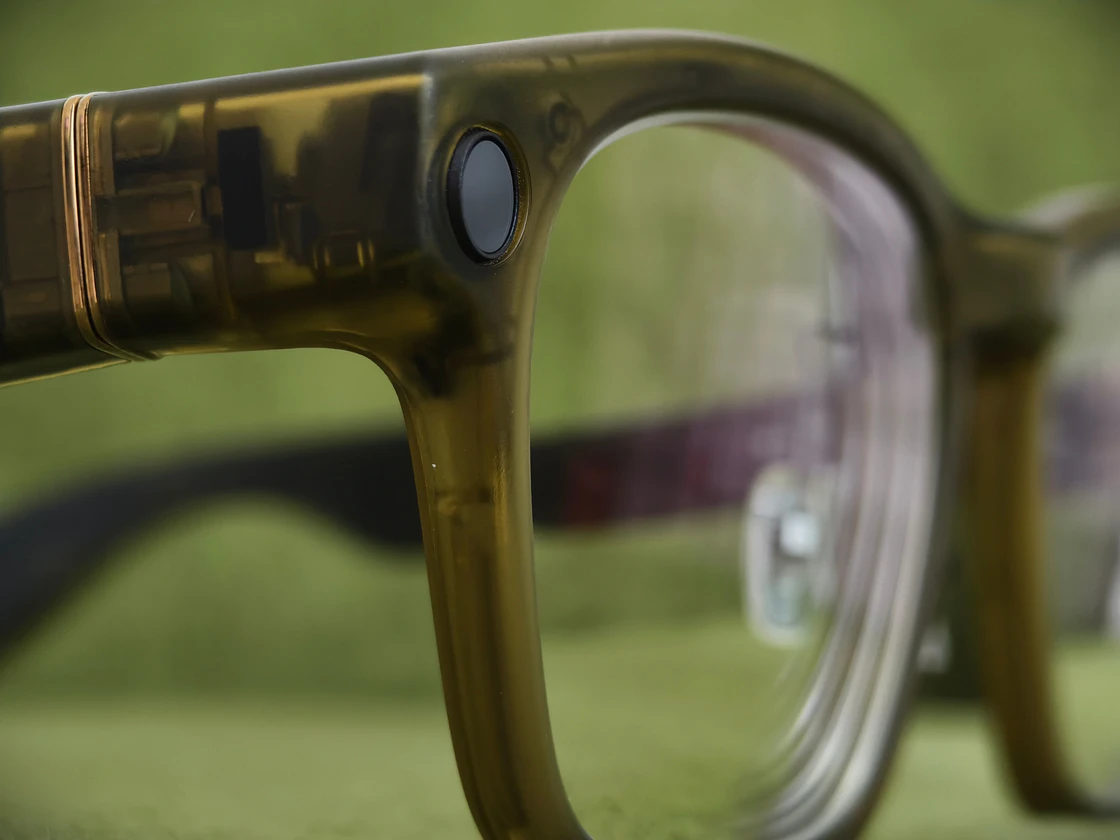
There was one more variable this time: my phone. In reality, once the focus of the trip shifted toward enjoying the journey itself, and photos were mainly for documenting moments on social media, the proportion of phone shots easily exceeded 90%. I brought the vivo X300—not the Pro version—the black one shown below. Mainly because after using the Pro for a long time, I wanted to try a smaller device for a change.
The real protagonist:

The Journey Begins
Traveling south along the railway, I had actually been to many of the places before, so I wasn’t particularly interested in checking off landmarks or deliberately taking photos. What mattered more was moving slowly along the tracks, blending into local life, wandering casually, and eating truly authentic food. From here on, I’ll write by region, dividing the journey into food and street photography.
Vientiane
Street Photography


Food


Worth mentioning: Lao rice noodles feel like they’re made from glutinous rice—stickier and more elastic. Not exactly refreshing, but they absorb flavors really well, making them quite distinctive. Eating them somehow reminded me of Er Si noodles with braised pork in Dali.
Before moving on to the Bangkok section, there are two interesting little anecdotes worth sharing. The first one involves Beerlao, the famous Lao beer. It’s quite popular in Yunnan—almost like the local equivalent of “Moutai” in Laos. I brought a few cans with me from Vientiane into Thailand. Drinking alcohol is technically prohibited on Thai sleeper trains, but a local guy from Bangkok pulled me over to secretly share a drink. When the police came by, he just laughed it off, drew the curtain, and we kept drinking.
Once in Bangkok, I wandered the streets in a “city drink” mood, casually carrying a can of Beerlao. Along the way, at least five street guys enthusiastically asked if I was from Laos. Maybe homesickness sometimes comes in the form of a small can of beer. Or maybe it’s my Yunnan roots—I’ve tanned enough to blend in just a bit better with the locals.


Bangkok
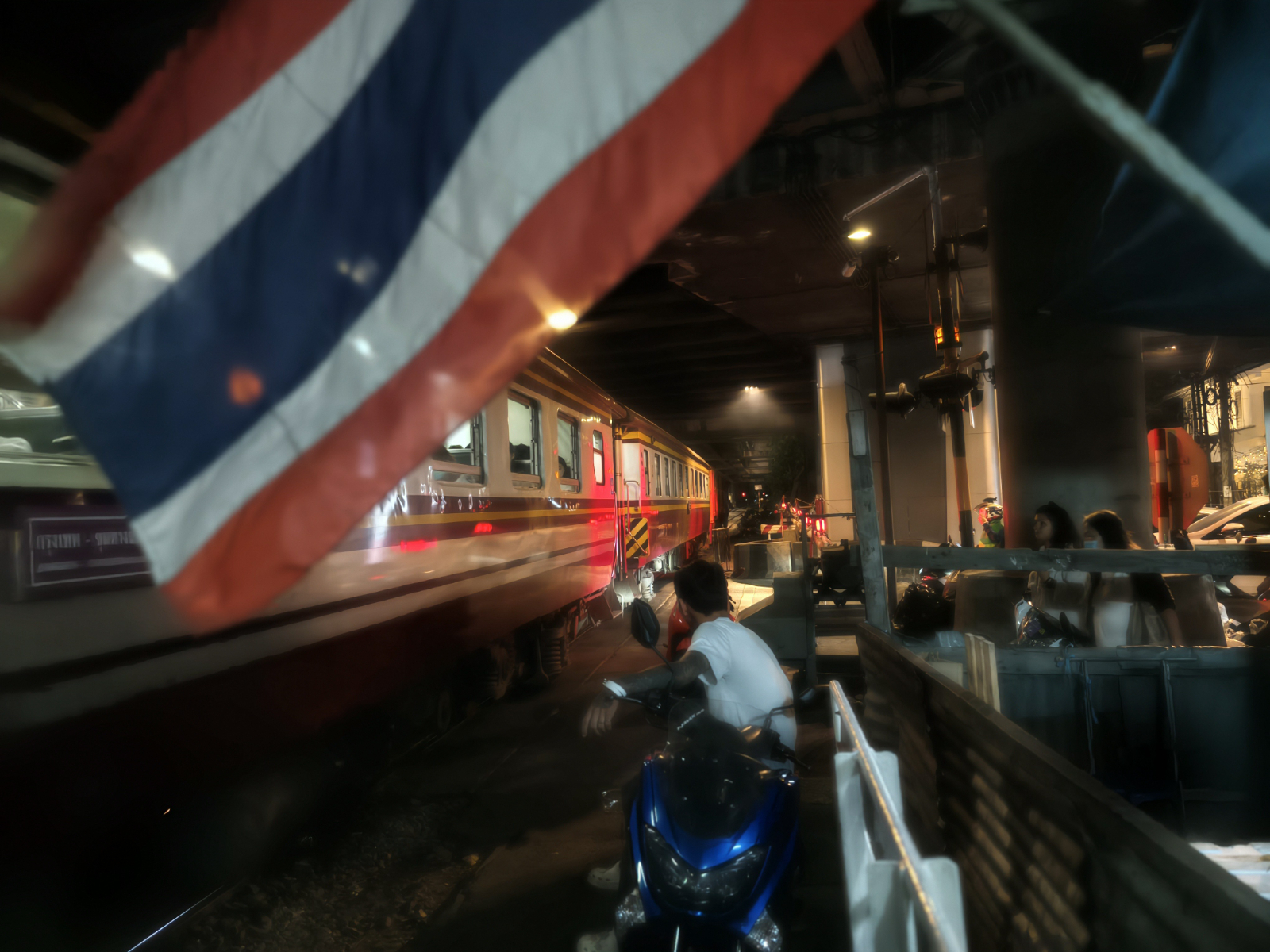
Since I had already visited Bangkok once as a tourist, I didn’t follow the usual sightseeing route this time. On top of that, I had some work to handle, so I simply stayed near the junction of Thailand’s two main railway lines, immersing myself in a raw, open, and vividly lived-in urban railway lifestyle.
Street Photography (railways, cats, railways and cats)


Food
As someone from Yunnan, Bangkok’s flavor profile feels very similar to Xishuangbanna. While my colleagues advised first-time visitors to be cautious with street food, my rule for choosing where to eat was simple: if I’m hungry, just walk into any small restaurant or stall that looks busy with locals. As I write this, my stomach is still perfectly fine—and I enjoyed every meal along the way.


I actually stayed in Bangkok for a full nine days, with about five of those spent on work. So this stretch felt more like setting up a temporary base for work and rest. After that, I headed straight south to Malaysia. Time-wise, it was probably about right to return to Shanghai—but the urge to keep traveling was hard to resist. Of course, the fact that flights from Penang to Shanghai were about half the price of those from Bangkok also played a part.
Penang
This is a city with a high concentration of Chinese culture—at times, it felt like walking through the old districts of Xiamen. In Penang, I finally saw the sea, and the weather was unbelievably good, making the whole city feel brighter and more vibrant.
Aside from wandering around, I also made a point to catch a Chinese New Year film in the cinema. The food and drinks were excellent, and the pace of life was comfortable. Not wanting to deal with long queues in Johor alongside daily commuters, I decided not to continue south to Singapore.
Alright, the Penang chapter begins.
Street Photography


Food
When it comes to finding good food in Penang, aside from picking places packed with locals, I have another trick. Years ago in Shenzhen, a Cantonese friend taught me a simple truth: “Follow the old folks when they eat—you won’t go wrong!”1 Throughout this trip, I’ve come to fully believe it.


End of the Journey
And with that, the journey comes to a close. I took a five-and-a-half-hour red-eye flight back to Shanghai—blink once, and I was already there. The next morning, in Shanghai’s single-digit temperatures during rush hour, there was one more person on the street wearing a short-sleeved shirt—body back in the city, but soul still somewhere in the tropics.
Transport: Another Chapter
This trip may look long—15 days in total—but about five of those were taken up by a business trip in Bangkok.
But I’ve always been someone who enjoys being “on the road.” Whether it’s railways or flights, they feel like a kind of citywalk—a way of measuring the world beneath your feet. Often, the space that accompanies you the longest during a journey is the mode of transport itself. Looking out through the window, watching the coordinates shift, seeing the landscape gradually change—that feeling is captivating.
China–Laos Railway


There was a small hiccup along the way. On a whim, I hadn’t arranged my visa in advance, and the Mohan railway port doesn’t offer visa-on-arrival for Laos. So I had to get off at Mohan Station, take a car to the road border crossing to apply for a visa on arrival, and then head to Boten Station on the Lao side to continue the journey. The two-hour gap in between was more than enough.
It might sound a bit ridiculous, but it also gave me a chance to experience the raw, unpolished atmosphere of a border road checkpoint. Exchanging some Lao currency with locals was fairly straightforward as well.

Since the railway was built by China, waiting at Boten Station felt both familiar and unfamiliar at the same time.


After arriving at Vientiane Station, there’s really no need to haggle with roadside taxi drivers. Just use a ride-hailing app. The drivers may not speak Chinese or English, but they’re incredibly friendly and will quietly take you to your destination. Among all the places on this southbound journey, the people of Laos might just be the most simple and genuine.
Thailand Railway
Vientiane – Bangkok

The Vientiane station of the China–Laos Railway and the Vientiane station of Thailand’s railway are very close to each other. My original plan was to arrive early at the high-speed rail station and enjoy the air conditioning, but it turned out that ticket checks at the Thai station were almost nonexistent, and Lao border control was rather perfunctory as well. So no matter how grand the high-speed rail station looks from the outside, the actual experience feels more like a small local station: no air conditioning, and you can board the train in just five minutes.
The overall sleeper experience on this route is quite good—if you manage to get a ticket. There are also air-conditioned hard seats and fan-cooled seats, but sitting overnight for 10 hours can be quite exhausting. The sleeper cabins are arranged in a 2×2 layout with two tiers; both the width and height are decent, and you can sit upright comfortably—much better than the old green trains in China, and the ticket costs less than 200 RMB.
This train arrives at Bangkok’s newly built central station. When crossing the border, you’ll need to get off the train for Thai immigration, so remember to fill out your arrival card in advance. As someone who had prepared an eSIM ahead of time, I ended up sharing my hotspot at the checkpoint and helped at least half a carriage of fellow travelers. Ironically, I forgot to fill out my own form.


Bangkok – Padang Besar (Malaysia–Thailand border)

After finishing my time in Bangkok, I continued south toward Malaysia from the central station. Unlike the direct route to the capital, this Thai train terminates at the border station Padang Besar. After completing exit and entry procedures at the same location, you transfer to Malaysia’s KTS train.
The layout of this train is quite unique. There’s a central aisle, with standard hard seats on both sides during the day. At night, the lower seats can be converted into berths, while the overhead compartments—similar to airplane luggage bins—can be pulled down to form upper bunks, creating a basic sleeper setup. However, the space is narrower, and the upper bunks have no windows, so the experience is only average.
Still, along the way, I caught another visually stunning sunset—worth the ticket price on its own.


Malaysia
Padang Besar – Butterworth (Penang)

Malaysia’s KTS train takes just two hours from Padang Besar to Penang. The infrastructure is far better than I expected, and the carriages are clean and tidy. That said, the seating is more like metro-style hard seats, making the whole ride feel like a “bladder challenge”—not ideal for drinking too much water. Fortunately, the journey is filled with blue skies and lush greenery, with wide, open views that make it quite comfortable to sit through. After arriving in Butterworth, I transferred to a ferry, officially bringing this cross-border railway journey to an end.


Urban Transport (Penang)
After exploring George Town, I made a point to head out toward the suburban areas beyond the hills. In the evening, I boarded a nearly empty bus and slowly made my way back into the city along winding mountain roads. On one side were Penang’s signature island views—green hills, sunsets, and expansive sea vistas; on the other, layers of old shophouses spreading across the city. Along the way, I even spotted facilities from multinational companies like AMD and Western Digital. Traditional Southeast Asian architecture coexisting with modern industrial parks, everyday life blending naturally with industrial development—this added a new layer to my understanding of the city.
The nearly empty bus rolled quietly along the mountain road—no one rushing, no transfers needed. I simply sat there, taking in Penang’s old town, its natural landscape, and its modern side all at once. This relaxed bus ride became one of the most healing moments of the entire trip.


Conclusion
On this journey heading south, I left behind my heavy camera gear and relied almost entirely on a single phone. No complicated settings, no burden of equipment—just point and shoot, capturing images good enough to document every moment worth sharing. For travel, this might just be the most comfortable way to take photos.
On the China–Laos Railway, I met a fellow Yunnan native from Luquan, traveling to Laos for work on a multi-entry visa. I didn’t ask about his story or his destination. We helped each other through border control, said a simple goodbye at the station, and parted ways—clean and straightforward.
On the train from Vientiane to Bangkok, I met a man from a pharmaceutical company in Kunming. He didn’t speak English, yet he traveled alone. I helped him sort out his train ticket, and we spent the journey chatting about drones and our respective industries. When we arrived in Bangkok, he treated me to a seafood buffet. Just a chance encounter, but filled with sincerity.
Even more surreal was the four-person sleeper compartment: a French Muslim traveler, a local Bangkok guy, a wealthy man from Kyoto—and me. In that small space, four lives from different countries converged. Some didn’t need to work, traveling simply to find meaning; some casually boasted in English—despite their companions not understanding—about “temporary companions”; and there was the Bangkok local who held everything together. Alcohol was technically prohibited on the train, yet we drank and talked anyway—when the police came, he said a few words in Thai, laughed it off, and that was that.
No script, no persona, no deliberate curation. The people I met, the stories I heard, the small acts of kindness, the absurd, pretentious, or streetwise moments—all of them became the most vivid footnotes of this journey.
I embraced all the randomness.
No intention of being a vlogger, no obsession with perfect angles, no chasing must-see checklists. If I was hungry, I walked into a local eatery; if I was tired, I slowed down like the locals. Whatever I encountered, I recorded.
And in doing so, there were no regrets on this trip. It was simply about going to places others have grown tired of, and living my own version of life there—however roughly; about stepping into unfamiliar streets and experiencing a different kind of everyday life. There’s no need to see everything in one go, nor to force a flawless journey. As long as you stay open and spontaneous, there’s nowhere in the world you can’t visit again.
The beginning of 2026—free enough, and unforgettable enough.

- Editor’s note: If you follow the lead of a seasoned foodie, you’re unlikely to end up with a bad meal. ↩︎
Share: