Category: Fashion Styling

  • Clothing, Lifestyle, Food, Tech… My Favorite Purchases of 2025

    Clothing, Lifestyle, Food, Tech… My Favorite Purchases of 2025

    Preface

    2025 marks my fifth year in Japan. Ever since I moved here in 2021, I’ve made it a habit to review my yearly spending at the end of each year and share the items I used most frequently and enjoyed the most. This year is no exception.

    Rather than a “best-of” product list, it’s more like a reflection on my year. Since I continued traveling frequently in 2025, my spending still leaned toward outdoor and lifestyle items, with very little interest in upgrading tech gadgets. So once again, the “Lifestyle” section comes first — if you’re only here for the “Tech” part, feel free to scroll straight down.

    Following my principle that “there is no perfect product,” this year’s list also includes a brief “downsides” section for each item to help give a more balanced impression. And because I want to save you the trouble of hunting down prices and where to buy things, I’ll do my best to include a reference price1 and purchase channel2 under each recommendation.

    Lifestyle

    The North Face Expedition Series Parka

    • Reference Price: ¥91,300 (approx. RMB 4,133)
    • Where to Buy: In-store in Japan; as this is a Japan-line product, there is currently no official channel in China

    A parka warm enough to handle –20°C, and it accompanied me through the harsh winters of two Northeasts (China’s Northeast and Japan’s Tōhoku) as well as Hokkaido. The reason I chose this jacket is simple: among down jackets, it has the best silhouette, and among parkas, it’s one of the warmest.

    As one of the premium offerings from The North Face Japan line, this coat features nearly all of their signature technologies: GORE-TEX (2-layer, not 3-layer), PERTEX Quantum (originally used for UK parachutes, later acquired by Mitsui Japan), CLEANDOWN (high-cleanliness down from a long-established Mie Prefecture manufacturer), and Photon Thermo (The North Face Japan’s go-to thermal tech — essentially far-infrared). It may not be the ultimate top-tier product, but it’s extremely versatile and dependable for cold regions. It also frequently goes on sale, so I recommend waiting for discounts to get the best value.

    Downsides: The jacket is heavy; harder to pack than typical down jackets; faux fur hood trim is mediocre; the new model (ND92546) costs ¥2,000 more without noticeable improvements.

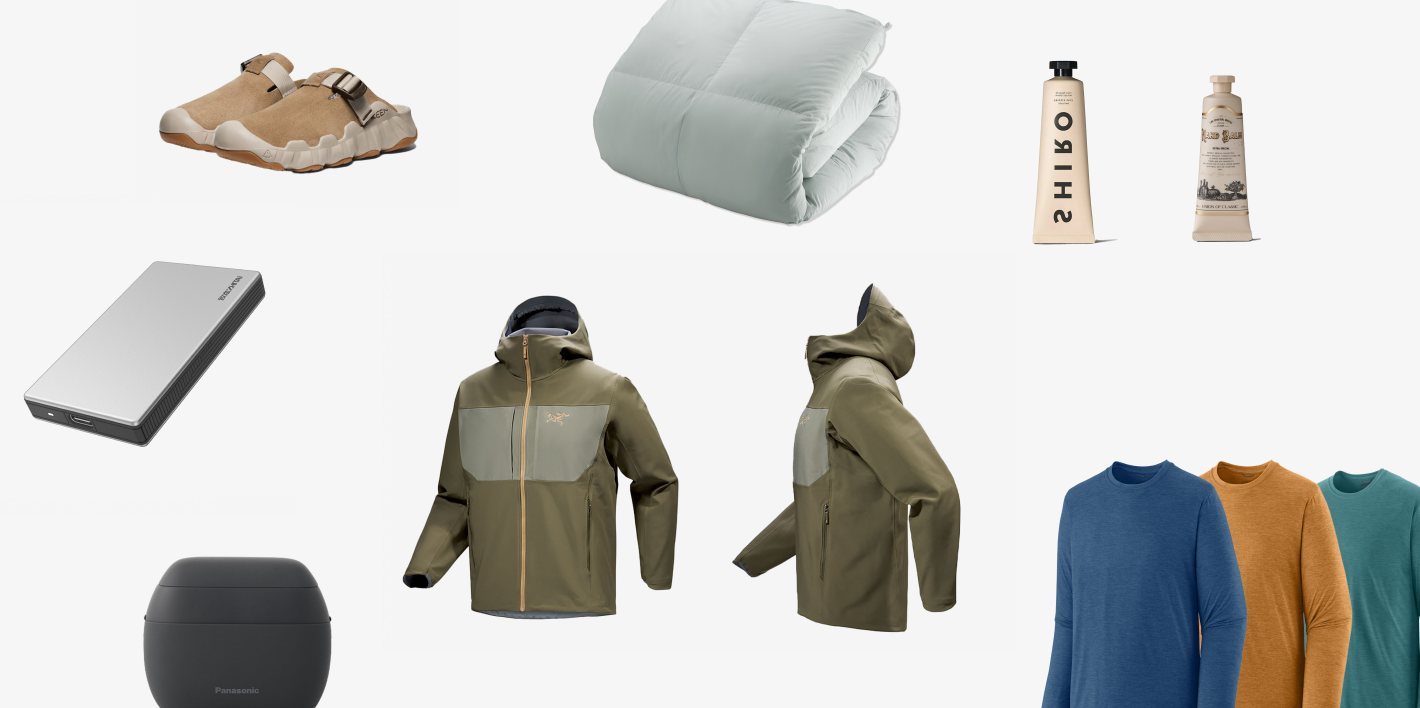
    ARC’TERYX Gamma MX Hoody

    • Reference Price: ¥68,200 (approx. RMB 3,088)
    • Where to Buy: In-store in Japan; in China, available at official stores and retail counters

    This year, aside from shells, I bought quite a bit of Arc’teryx: wool socks, gloves, Gamma pants and tops, quick-dry tees, Atom jackets, hats — basically one of each iconic item. Among everything I’ve tried, the Gamma series is the most worth buying. It has repeatedly appeared on “Best Outdoor Softshell” lists and is often sold out.

    The Gamma MX I purchased was originally designed as a close-fitting piece for ice climbing, but in recent years the fit has been updated to a more relaxed style, making it suitable for all body types and everyday wear. Details are excellent for this price point: Fortius™ 2.0 fabric for wind resistance and light water repellency with breathability; reinforced glued seams at the hem and hood; windproof cuffs; and a fleeced interior for warmth in spring and autumn.

    The reason I recommend the Gamma series: it’s one of the few Arc’teryx lines that genuinely works across multiple scenarios. With three different thicknesses available, there’s an option for both northern and southern climates. In spring and fall, it works perfectly as an outer layer; in winter or during outdoor activities, pairing it with a down jacket or hardshell turns it into a warm and reliable mid-layer. The Fortius™ fabric is very stretchy — great for outdoor sports and commuting — and the light water resistance is enough for Japan’s rainy season.

    The more straightforward reason I bought it this year: the new olive-green color was simply irresistible.

    Downsides: Expensive. The avalanche incident earlier this year severely damaged the brand’s reputation, and I strongly disapprove of that behavior. However, based on the Arc’teryx events I’ve attended in Japan, their Japan operations are still outstanding.

    EVERGOODS × Carryology MPL22 Backpack

    • Reference Price: ¥56,100 (approx. RMB 2,540)
    • Where to Buy: Authorized online retailers in Japan; in China, you can order from the U.S. official store or purchase through authorized Hong Kong distributors

    When looking for a new backpack this year, I compared popular brands such as Aer, Able Carry, ALPAKA, and Matador. But considering my actual needs — a pack suitable for both inter-city commuting and light hiking around urban outskirts — I ultimately chose the EVERGOODS MPL22.

    The MPL22 is designed specifically to transition seamlessly between mountain trails and city streets, making it a perfect match for my use cases. The only issue: the standard MPL22 uses 420d nylon, which doesn’t have the same crisp, structured look as X-Pac and looks a bit too plain in full black. Appearance-wise, it simply didn’t excite me.

    The collaboration edition I eventually bought upgrades the material to ULTRA 200TX — an ultra-high-molecular-weight polyethylene (UHMWPE) fabric — offering full waterproofing and exceptional strength. The gray exterior has a refined titanium-like sheen under light, paired with a bright blue interior (TX70 ULTRA), a color combination I really love.

    In addition, several small design details were upgraded from the standard version:
    • A metal Velcro patch featuring the Krudde (a fearsome creature from Dutch folklore)
    • YKK’s high-performance RC-series water-resistant zippers
    • Anodized aluminum hardware
    • A fully suspended laptop compartment
    • A hidden pocket designed to store an AirTag
    And many more thoughtful touches — too many to list here. Interested readers can refer to the official making-of notes and videos linked later.

    After several months of use, whether hiking, trekking, or commuting, I remain extremely satisfied with this bag. Its 22L capacity is just right — never bulky. The adjustable sternum strap adapts well to my body, offering excellent carrying comfort. The internal pocket layout is also very smart, allowing every piece of my EDC to find its perfect spot.

    If you’re curious about this backpack, check out the official YouTube video or the detailed manufacturing notes to understand its design philosophy and construction.

    Downsides: The collaboration model is expensive — the standard version offers far better value. Also, the lack of a luggage pass-through strap is a notable regret.

    YAMANO3 Flower MOUNTAIN × NANGA Outdoor Shoes

    • Reference Price: ¥27,500 (approx. RMB 1,245)
    • Where to Buy: NANGA Harajuku store; in China, available through the official online store

    Flower MOUNTAIN is a relatively niche brand. Although I’d been aware of it for a while, it didn’t truly enter my radar until this collaboration with the Japanese outdoor brand NANGA. I saw this pair in person at NANGA’s Harajuku store — my first impression was that the design looked striking and the craftsmanship appeared refined. After trying them on and finding the comfort surprisingly good, I decided to buy them.

    Compared with the regular YAMANO3, the collaboration model features two major upgrades:

    1. An upgraded Vibram MEGA GRIP outsole
    2. A Hydro Guard breathable waterproof membrane on the upper, offering a certain level of water resistance

    What also appealed to me was the Microban lining, which provides antibacterial and deodorizing properties, and the cork insole, which offers excellent moisture absorption.

    The shoes I initially bought purely for their looks have now accompanied me up Mount Asahi and Mount Kuro, and have been worn for multiple outdoor hikes and rainy-day strolls. Similar to the backpack mentioned earlier, I’d describe these shoes as suitable for both city streetwear and light outdoor use. Overall, it’s a collaboration that balances style and function — matching NANGA’s outdoor DNA while retaining Flower MOUNTAIN’s distinctly Japanese aesthetic.

    Downsides: Due to the waterproof materials, breathability is somewhat limited, making them better suited for autumn and winter. They are intended for light outdoor activities rather than professional-level hiking.

    KEEN HYPERPORT CLOG LEATHER

    • Reference Price: ¥17,600 (approx. RMB 796)
    • Where to Buy: KEEN Harajuku store; available on the official China online store, though at a higher price

    KEEN, a Japanese brand, released this all-season clog in 2025. Known for its near-obsessive dedication to sandal design (alongside its outdoor line), KEEN launches countless sandal models each year—yet none have ever truly appealed to me aesthetically. This year’s model, however, feels like a hybrid between a Birkenstock clog and something uniquely KEEN. The upper is made of leather and equipped with an easily adjustable buckle for a secure fit outdoors. The outsole uses the brand’s own Aquagrip rubber for reliable slip resistance.

    What convinced me to choose this pair was simple: more affordable than Birkenstocks, and much easier to style. After wearing them for a full year, I can say they are extremely comfortable. The toe box is wide enough for natural movement, and the thick midsole makes them far more suitable for outdoor casual use compared to regular slippers. Shopping, commuting—no problem at all.

    Two Brands: SHIRO & LINC CORPORATION

    • Reference Price: ¥4,950 (left, approx. RMB 223); ¥3,740 (approx. RMB 169)
    • Where to Buy: Brand retail stores in Japan; SHIRO available from its official Chinese online store, LINC currently not available

    This year, my skincare trials revolved mainly around two brands from Hokkaido: SHIRO and LINC ORIGINAL MAKERS.

    SHIRO is known for its natural ingredients and signature “transparent freshness.” The FREESIA MIST continues this tradition with a fresh fragrance profile: a bright fruity opening of apple and apricot, a floral mid-note, and a subtle woody base. The texture is thin and spreads smoothly, leaving the skin with a moisturized, subtly glossy finish once absorbed.

    LINC also highlights naturally derived scents. The No. 997 hand cream I picked leans fruity as well. According to the brand, the top notes bring a sweet-tart orchard freshness; the middle notes blend the clarity of geranium and lily of the valley, like sunlight filtering through grass; the base introduces a soft sandalwood reminiscent of a tranquil forest breeze. In practice, the sandalwood lingers the longest (a bit similar to LE LABO’s newly released Santal 33?), refined and non-greasy. Compared to SHIRO, the LINC cream has a thicker texture and longer-lasting scent.

    Downsides: SHIRO’s fragrance can become cloying over time—or, as many say, may smell a bit “cheap.” Best to try it in person if possible.

    Costco 93% Duck Down Comforter

    • Reference Price: ¥12,980 (approx. RMB 587)
    • Where to Buy: Costco online store; this model is Japan-exclusive, but similar versions exist at Costco China

    This winter has been one of the colder ones in Japan, so I picked up this duck down comforter while it was on sale at Costco. The biggest change it brought is that the entire winter, getting into bed felt like sinking into a hotel duvet—extremely comfortable. The best thing about down comforters is that they’re warm yet lightweight. The duck down filling is also of high cleanliness with no unpleasant odor whatsoever.

    I bought the 1 kg version with 95% duck down fill, and there’s also a goose-down option. Regardless of version, all the down is certified by CIL (Comprehensive Sleep Institute), meets RDS international standards, and is processed with Aller G Plus deodorizing and antibacterial treatment. Being able to trust the filling is the biggest reason I recommend it.

    In Japan, Japanese-made down comforters often cost over ¥100,000 (e.g., Nishikawa). This Costco comforter is a breath of fresh air—affordable, and even discounted during winter. My final purchase price was ¥12,980, making it incredibly cost-effective.

    Downsides: None so far.

    Bellroy Lite Duffel Gym Bag

    • Reference Price: ¥13,900 (approx. RMB 629)
    • Where to Buy: Amazon Japan; also available through the official China store

    This is a gym bag with excellent texture and craftsmanship, supporting two carrying modes: hand-carry and shoulder-carry (with a detachable strap included). The interior is well-organized, with two bottle pockets and two small item pockets; there’s a built-in AirTag pocket; and the bag can be folded down into a compact size when not in use. The capacity is just right for me. The exterior fabric is water-repellent and has successfully protected my belongings through several surprise downpours; the bag itself is lightweight, making it perfect for going back and forth between home and the gym.

    Downsides: Expensive at full price. No dedicated shoe compartment. As a travel bag, it lacks a strap to secure it onto a suitcase handle.

    Patagonia Capilene® Cool Daily Shirt Quick-Dry Baselayer

    • Reference Price: ¥6,930 (approx. RMB 313)
    • Where to Buy: Tokyo outdoor fair; in China, available via the official flagship store

    Thanks to the fitness habit I mentioned earlier, I tried quite a few base layer brands this year: Lululemon, Mizuno, Arc’teryx, Montbell and so on. After comparing these, the one most worth recommending is Patagonia’s C1 quick-dry.

    That’s almost stating the obvious—anyone who knows Patagonia a bit probably already knows that one of their must-try products is the Capilene C1 quick-dry series. The reason I recommend it is that it strikes a great balance between price and performance: it feels great to wear, has excellent quick-drying and odor-control capabilities, comes with a tear-off care label, and is reasonably priced.

    As for other brands, if we ignore price, Arc’teryx’s Konseal Pocket quick-dry series would probably be my top pick. Unfortunately, the price is high enough to buy at least two pieces from other brands, so I’m not including it in the recommendation list.

    Downside: It does nothing to hide your body shape—any “flaws” will be fully exposed.

    Kao Steam Eye Mask (Lavender Scent)

    • Reference Price: ¥1,543 (approx. RMB 69)
    • Where to Buy: Amazon Japan; in China, available via the official flagship store, and actually cheaper than in Japan

    An old product in new packaging. A friend once randomly gave me one to try, and I’ve been hooked ever since. These Kao steam eye masks have kept me company through many nights, as well as countless breaks on long bus and plane rides.

    They’re designed as single-use, so they’re very lightweight, easy to carry, and you just toss them after use—super convenient. There is an unscented version, but I still prefer the scented ones, especially lavender and osmanthus; those scents make it easier for me to slip into a relaxed, sleepy state. Of course, this is very subjective, but it works extremely well for me.

    Downside: None for now.

    Mitsubishi Uni-ball Zento Sign Pen

    • Reference Price: ¥3,300 (approx. RMB 149)
    • Where to Buy: Mitsubishi stationery exhibition; in China, available through various Japanese stationery resellers

    The magnetic cap is dangerously addictive—you’ll find yourself clicking it open and shut nonstop. The pen itself has a metal body with a matte coating, giving it a premium feel. The newly developed ZENTO ink includes a “POA surfactant,” which reduces friction against paper even further, resulting in an exceptionally smooth writing experience and minimal ghosting. The weight distribution of the pen has also been adjusted so that the center of gravity sits near the web of your hand, making it comfortable even during extended writing sessions. The overall balance is excellent—you can almost feel that “the pen moves with your mind” smoothness the moment you pick it up.

    Downside: Pricey. If you just want to try the smooth ink, the standard model is enough.

    THE SUPERIOR LABOR Wallet

    • Reference Price: ¥15,000 (approx. RMB 678)
    • Where to Buy: TSL official website; in China, likely only through third-party buyers

    In my earlier article “Three Years with a Backpack: My Travel Gear List,” I mentioned wanting a short wallet to replace the long one I had been using. My options at the time were RE:FORM and Bellroy, but the former’s material attracts dust easily, while the latter doesn’t fit well with Japan’s coin-heavy payment habits.

    Just in time for THE SUPERIOR LABOR’s year-end sale, I picked up this classic Japanese-style wallet at a great price. I call it a “Japanese wallet” mainly because of two features (which also made me choose it):

    First, despite being a bi-fold wallet with limited space, it includes a coin pocket that opens at a wide angle—perfect for Japan’s cash-centered society. In my case I rarely use coins, so I use this pocket to store my AirTag instead.

    Second, the craftsmanship. This wallet is made from Japanese Black Wagyu leather, often called the “black diamond of the leather world.” It is tanned using the traditional shironameshi method, which avoids chemical agents and instead uses natural materials like shell ash, salt, and oils. The coloring is done with urushi-nuri, a technique that uses lacquer tree sap. Both methods are traditional techniques and very much reflect Japanese craftsmanship philosophy.

    Downside: Because of the coin-pocket design, the wallet is on the thicker side.


    As always, here are some food and drink recommendations to wrap up the lifestyle section:

    IYOSHI COLA

    Japan’s version of Laoshan Cola: a cola base infused with traditional herbal ingredients, essentially a medicinal-style Coca-Cola. If you enjoy Laoshan Cola, you’ll almost certainly like Iyoshi Cola—the herbal taste is even stronger, and you’ll often find a bit of herbal sediment at the bottom.

    This is the kind of drink people either absolutely love or flat-out hate. If you’re a fan of herbal flavors, it’s definitely worth a try. Iyoshi Cola has easily become the drink I consume most frequently this year—nothing else even comes close.

    Downside: Expensive; the distinctive medicinal flavor can be off-putting for some.

    Tokyo Milk Cheese Factory Cookies

    One of my favorite snacks this year. They come in a variety of flavors; my personal picks are Truffle & Cheddar (savory-sweet) and Uji Matcha (sweet). The cookies look a bit like Shiroi Koibito, but taste much better: crisp yet not dry, with smooth, layered fillings that never feel cloying. The Truffle & Cheddar flavor has a subtle savory aroma, with the truffle fragrance blending harmoniously—perfect when paired with black tea as an afternoon treat. The Uji Matcha version balances a gentle bitterness with the soft sweetness of mascarpone, resulting in a wonderfully delicate flavor profile.

    Downside: Uses no animal butter; the ingredient list is noticeably long…


    Then let’s talk about two things that aren’t practical but add emotional value:

    Alapaka 9th Anniversary Limited-Edition Patch

    A limited-edition badge collection released for ALPAKA’s 9th anniversary. The brand invited nine renowned street artists from around the world, each offering their own creative interpretation of ALPAKA’s core theme — “Keep Moving Forward.”

    Each patch has a completely different style, and I switch them around on my various accessory bags. No deeper reason — they just look cool.

    We Are Twinkle People

    I bought some Pop Mart stock earlier this year and sold too early. Recently I discovered that the Twinkle figures are way too cute. When I’m in a bad mood, giving the little Twinkle guy a squish instantly lifts my spirits. No major purpose — just emotional value as a little “gift back” to Pop Mart for that stock. The rest is pure serotonin.


    Tech Picks

    This year’s tech section can be summed up as “nothing remarkable.” My usual habit of upgrading my iPhone annually was interrupted — although I did buy the latest iPhone 17 Pro Max, I immediately sold it to a buyback shop. Overall, I’ve hit a “vacuum phase” with electronics, feeling little motivation to replace or upgrade anything throughout the year.

    DJI Action 5 Pro

    As I mentioned in My Travel Gear List After Three Years of Backpacking, the main purpose of this purchase was to replace my old GoPro 9 — pairing it with a car mount for road-trip scenery, or a neck mount for hiking and trekking logs. The 30,000-yen purchase price plus points made it a great deal. The compact body is easy to carry, and compared with my old GoPro, the magnetic mounting system saves a lot of hassle during setup and removal

    Downside: DJI released the Action 6 at the end of this year, making the 5 Pro an older model. Personally, though, I don’t see a strong reason to upgrade.

    Panasonic ES-PV3A Electric Shaver

    A frequent appearance in my recommendations this year. Lightweight, long-lasting battery, USB-C charging — all solid selling points. But the real highlight is how incredibly compact it is: super portable without compromising shaving performance.

    I’ve tried Braun’s foil shavers before, but had to switch back to Philips after developing a nickel allergy to Braun’s foil. Panasonic’s ES-PV3A, however, contains no nickel, and its foil head shaves noticeably cleaner than Philips’ rotary design. It has become an absolute essential for my trips this year.

    Downside:

    • The small body means you must clean it manually — there’s no automatic cleaning base.
    • Other variants of this model offer no performance differences at all — only cosmetic changes — so the price markup is basically pure “aesthetic tax.”

    Zhitai Portable SSD

    Because of work, I’ve used portable drives from Samsung, SanDisk, LaCie, and others. Earlier this year, I bought my first domestically made portable SSD — the Zhitai. After nearly a year of heavy usage (storing large quantities of photos and videos, long continuous data transfers), it has remained extremely stable and reliable.

    Compared with Samsung’s T7 series, the Zhitai drive is cheaper and faster. While long-term durability still needs more time to judge, its performance so far has been excellent. The included dual-head data cable and surprisingly good-quality carrying case also add extra value to the overall package.

    Nitecore EDC23 Flashlight

    Since rural areas in Japan often lack streetlights — and because I frequently walk mountain roads at night — I still need a compact flashlight for safety. The EDC23’s flat, compact design is highly portable, yet it can instantly burst to 2,500 lumens of brightness. USB-C charging is another major convenience, saving me from carrying a proprietary cable.

    I also bought two other popular models this year — the SK-05 and Xiaomi’s multifunction portable flashlight. Both perform well, but due to size differences, neither is as convenient to carry as the EDC23, so I’ll leave them out for now.

    Downside:
    The 2,550-lumen turbo mode only lasts a few seconds before the flashlight forces a cooldown.

    Razer Pro Click V2 Ergonomic Mouse

    I bought this as a replacement for my current Logitech MX Vertical ergonomic mouse. Compared with the MX Vertical, the Pro Click V2 is better suited for users with larger hands. Once you get used to Razer’s grip style, you’ll find that its mold design is more reasonable and comfortable than the MX Vertical. The matte plastic shell is also a huge advantage for someone like me with “acidic hands”—it doesn’t get corroded or damaged by sweat the way the rubber coating on the MX Vertical does. In addition, its DPI is significantly higher than Logitech’s, making cursor movements more responsive and precise, especially on high-resolution monitors or multi-screen setups.

    Downside:
    Just like Logitech’s office drivers, Razer’s software is terrible. The mouse also has a built-in RGB light—if you leave it on, battery life drops drastically. When connected via Bluetooth, wake-from-sleep is noticeably slower than Logitech’s.

    Final Words

    This is both the conclusion and the disclaimer. Everything listed above represents items that I personally selected with great care throughout the year — but my definition of “good products” is entirely subjective. These items are simply what best fit me, not necessarily what will fit everyone. If anything here gives you even a little inspiration, then that alone makes this article worthwhile.

    There is no such thing as a perfect product, but I hope this 2025 favorites roundup offers you a broader reference range for your future purchases.

    If you have any questions, feel free to leave a comment below — I’d be happy to chat.
    See you again in the 2026 favorites share.

    1. This price is listed in Japanese yen inclusive of tax, along with the equivalent amount in Chinese yuan based on the exchange rate at the time of writing. It is not a tourist tax-free price. ↩︎
    2. The author’s method of acquisition, as well as the potential domestic purchasing channels the author has identified, may therefore be inaccurate. ↩︎
  • My Autumn–Winter Styling Approach: Building From Core Pieces With Warmth and Personality in Mind

    My Autumn–Winter Styling Approach: Building From Core Pieces With Warmth and Personality in Mind

    The colder it gets, the more room there is to play with outfits. In autumn and winter, whether it’s inner layers or outerwear, there are countless categories to choose from — naturally opening up endless styling possibilities. Beyond the usual “base layer + jacket” formula, the colder seasons also allow for layering, which helps emphasize depth and create different dressing moods. Now that autumn and winter have arrived again, the final installment of this series is here as promised.

    When it comes to style, I believe everyone has their own unique taste and aesthetic. The outfits I share might not suit your body shape or vibe; you might even feel completely indifferent to them — and that’s perfectly normal. But what I genuinely hope is that my sharing doesn’t become a “standard answer,” but rather a spark that inspires you. If I can offer you some ideas about color, coordination, or key pieces that help you better understand and shape your own style, that would be the most meaningful thing to me.

    Principles of Fall/Winter Outfits

    The most obvious difference between late-autumn/winter clothing and other seasons is thickness. Generally, people choose shirts, knitwear, and hoodies as inner layers, while outerwear includes heavy jackets, coats, padded jackets, and down jackets. The most common—and also the most basic—way to dress is “inner layer + outerwear + pants.” A slightly more challenging approach is layering multiple inner layers or multiple outer layers paired with one pair of pants, which is the layered-wearing method.

    Basic Styling Methods

    When it comes to the basic “inner layer + jacket + pants” outfit, there’s a popular saying on Xiaohongshu: “If the top is simple, the bottom shouldn’t be simple,” and sometimes the saying is reversed. The idea is that only one part of the outfit should be “not simple.” Personally, I’m skeptical about this rule. It’s not wrong—actually, it’s a perfectly safe styling consideration. But in reality, the opposite combinations—whether both top and bottom are simple or both are not—can also look great, as long as they’re well-coordinated. It’s just that having one simple piece makes things easier. Next, I’ll break down the everyday basic styling principles by level of difficulty.

    Easiest: One Simple, Two Not-Simple

    Fashion is subjective, so defining “simple” is tricky. Let’s assume solid-colored, pattern-free items are simple pieces, and everything else is not-simple.

    • The easiest method:
      A solid-color simple inner layer + solid-color pants, paired with a not-simple jacket.
    • One level up:
      A not-simple inner layer + solid-color pants, paired with a simple jacket.
    • Two levels up:
      Not-simple pants paired with a simple inner layer and simple jacket.

    In short, under this styling logic: if you don’t want to go wrong, choose a simple inner layer; if you want the best result within the “rules,” choose not-simple pants.

    Moderately Difficult: All Simple

    Learning outfits from Uniqlo’s lookbooks is a good idea, since the outfits are mostly solid-colored basics and look very easy to coordinate. But I think this varies from person to person. A fully simple outfit may seem effortless to style, but it also means the clothes offer almost no additional shaping or visual support to your body. It places higher demands on your body shape, looks, and even skin tone. Take me for example—I’ve encouraged myself countless times to buy a “minimalist” outfit from Uniqlo or MUJI, but I’m always discouraged before leaving the fitting room.

    So my suggestion is: light-colored “all simple” outfits are often easier to pull off than dark-colored ones. If you want to try a full minimalist look, start with an all-light set and add one dark jacket.

    Very Difficult: All Not-Simple

    No doubt, an outfit where every single item is not-simple is the hardest combination of all. Unusual colors, bold patterns, and standout materials—all are challenging to pair. So here are two suggestions:

    When you want to go in this direction, follow the style of an idol you like and try to recreate their outfits.

    A more practical suggestion: prioritize bold patterns or cuts instead of bold colors.

    Highly unconventional colors are demanding on both face shape and skin tone, while bold patterns or silhouettes are relatively easier to manage. In the worst case, you’ll just look like a stylish street kid—and honestly, that’s not necessarily a bad thing.

    Layering
    Layering is challenging because it really tests your ability to control a sense of depth in an outfit. Even something as simple as a shirt layered under a crewneck sweatshirt can create very different vibes depending on how much of the collar is exposed. The countries best at layering are probably the UK and Japan, so if you’re really into this style, you can check out magazines from those two places.

    Japanese outfits often love layering pieces, and autumn and winter are exactly the seasons where layering shines the most. For everyday wear, it’s especially important to pay attention to how you manage the sense of depth. I recommend a basic layering rule: treat the collar area as the core element that highlights layering, combining wide collars, collarless pieces, and lapelled jackets. Once you’re comfortable with this style, you can experiment with more advanced techniques, including layering with differences in length or with contrasting colors.

    But remember, don’t fully cover the layer underneath, or it’ll look abrupt and stiff. Whether it’s the color, material, or something else from the next layer, as long as something is visible, it works. Ultimately, no matter how you layer, the goal is to see different levels on your body—and material and color are the easiest ways to showcase that. In daily life, it’s all about trying things out. The more you experiment, the easier it becomes to discover your own layering style.

    Materials Suitable for Autumn and Winter Clothing

    Autumn and winter garments tend to be thicker, which makes the differences in material texture much more noticeable. In this part, I’ll focus on materials and recommend different types of clothing so you have more options when shopping.

    Cashmere/Wool
    Cashmere and wool are very familiar to most people and are among the most popular materials in autumn and winter, especially for sweaters and pants. Cashmere sweaters are lightweight, warm, elastic, and resistant to wrinkles. Other than being a bit troublesome to wash, they basically have no downsides. Unlike previous years, many fashion and casual brands are now offering more wool items, including shirts, sweaters, and trousers, which meet the needs of everyday casual dressing.

    Wool casual trousers and dress pants are particularly worth mentioning. They’re durable, stretchy, and usually have very straight silhouettes that nicely flatter the legs. When properly cared for, they don’t deform easily, making them great winter staples. Many fashion influencers recommend pairing wool dress trousers with an overcoat, showing just how popular this category has become in recent years.

    Additionally, cashmere and wool are extremely versatile in autumn and winter and pair well with almost anything. Using wool sweaters or cashmere trousers as part of your outfit helps elevate the overall texture and sense of style.

    Uniqlo Cashmere Blend Sweater / NANS Wool-Blend Trousers

    Corduroy
    Corduroy is actually a composite fabric, usually woven from materials such as cotton, polyester, or wool. Its surface features dense, soft ridges with a certain thickness, making it particularly suitable for fall and winter. Compared to regular cotton fabrics, corduroy adds more visual texture, which works especially well for minimalist outfits.

    Common corduroy pieces include shirts and pants. Shirts typically have a structured silhouette, making them suitable for wearing alone or layered over a knit sweater. Pants on the market seem to come most frequently in khaki tones and work well for a preppy style. Overall, corduroy—with its unique texture and aesthetic appeal—is both practical and stylish for fall and winter looks. Whether you prefer a casual vibe or a retro mood, corduroy performs exceptionally well and can easily create warm yet distinctive seasonal outfits when styled thoughtfully.

    niko and Corduroy Shirt / NORYBRAND Corduroy Pants

    Leather
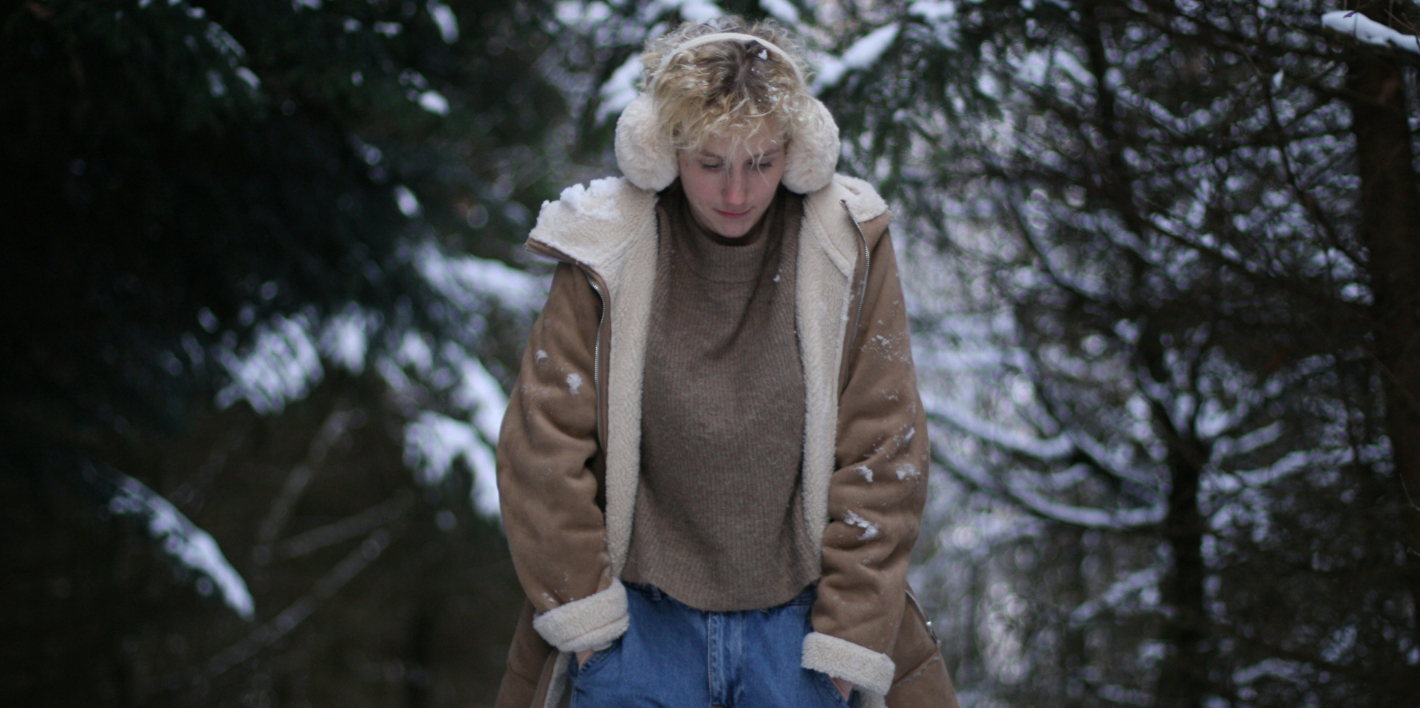
    Leather garments are a key part of fall and winter wardrobes thanks to their warmth, durability, and unmistakable texture. The leather used in jackets and pants that most people purchase tends to fall into three categories: cowhide, sheepskin, and synthetic leather. Each type differs in characteristics and price. From the perspective of individual pieces, the easiest to style is the leather jacket (including blousons and outerwear), followed by leather boots, and lastly leather pants, which are usually the hardest to pull off.

    Leather jackets commonly use cowhide or sheepskin. Both are highly durable and elastic, making them great for outerwear. Cowhide tends to be thicker and tougher, offering excellent longevity and the ability to “break in” over time. It has great wind resistance and a structured appearance, and while its price is high, the cost performance is also excellent. Sheepskin, on the other hand, is typically softer and more delicate, making it suitable for jackets with a more body-hugging silhouette. It has become increasingly popular in fashion design in recent years—especially among many Japanese streetwear brands, where sheepskin is being used noticeably more frequently than before.

    Synthetic leather differs from the two natural types. It’s usually made from plastics such as PVC (polyvinyl chloride) or PU (polyurethane), sometimes combined with other materials. It offers better waterproof performance and allows much easier color and texture control, enabling a wide range of styles and visual effects. Unlike natural leather, which tends to come in a limited color palette, synthetic leather can be produced in a rich variety of hues and patterns to meet different styling needs.

    Kevinqi Cowhide Jacket

    Duck Down / Goose Down
    Duck down and goose down are common insulating materials for fall and winter. Both offer excellent warmth, but they differ in several details—the most obvious one being price. Goose down is warmer than duck down, so it’s naturally more expensive. For example, goose-down jackets from Li-Ning often cost upward of 3,000 RMB per piece; even during discount seasons, they usually remain around 2,000 RMB. The second major difference is loftiness. Goose down clusters are typically larger and fluffier, giving goose down better insulation at the same weight. For instance, in a Beijing winter, a duck-down jacket usually needs more than 300g of filling to feel very warm, whereas goose down can achieve similar warmth with around 250g.

    If you’ve ever shopped for down jackets on Taobao or in livestreams, you’ve probably heard sellers emphasize the “New National Standard.” In short, the new standard requires that at least 80% of the filling in down products must be actual down (excluding feathers). High-quality down jackets can reach 90%. Just pay attention to this percentage when you shop.

    Li-Ning Duck Down Jacket / Li-Ning Goose Down Jacket

    Fleece
    Fleece is actually a synthetic fiber fabric—essentially polyester. The polyester fibers are woven into a dense, fuzzy structure and then brushed to create a soft, wool-like surface, which gives fleece its name and characteristic texture. The brushed fibers trap air effectively, providing excellent insulation. Its warmth is close to wool, yet it’s much lighter than many natural fibers.

    In the past couple of years, many outdoor brands have shown a strong preference for fleece items. They’re easy to maintain, durable, and look good. Other than not being windproof, fleece doesn’t have many drawbacks. Choosing a fleece jacket in fall and winter can significantly enhance the visual warmth and cozy outdoor feel of your outfits. If you want to create a warm, relaxed, and slightly lazy vibe, fleece is a must.

    When the economy is booming, people tend to pursue trendy, eye-catching designs. When the economy declines, they quickly shift toward durability and practicality. In reality, material and style complement each other—certain designs simply require specific materials to convey their intended texture and visual effect. Instead of treating them as mutually exclusive, it’s better to consider both. Fall and winter garments are generally thicker, so when choosing materials, it’s important to factor in how the design affects comfort and visual coherence. Only then can you achieve outfits that feel both effortless and stylish.

    Patagonia Fleece Jacket

    Outfit Combinations: Start with One Item You Already Own

    When writing the Double 11 menswear guide, a reader mentioned that they hoped I could recommend outfits based on specific scenarios, considering styles, fabrics, and more. I thought it was a great idea. But after thinking it over again, I realized that scenarios are too complicated — and if you add aesthetic styles on top of them, things become even harder to explain. So although I genuinely appreciate the suggestion, I decided to use a simpler and more direct approach: starting with any item you already have on hand.

    In the summer edition, I mentioned that when putting together an outfit, we can begin with the category in which we own the fewest items and build the rest of the outfit around it. In the fall and winter, the items we usually own the least of are heavy jackets, overcoats, padded jackets, and down jackets. However, compared with other categories, these pieces are much easier to match — starting with them is almost the same as not needing to match anything at all. Given that, it makes more sense to start with shirts and pants. I’ll consider both material and style to give you a more practical reference.

    To improve the clarity of the imagery, the outfit combinations in this section use Gemini-generated background replacements applied to real clothing items. However, because I may not have suitable photos for every single piece, some examples may be demonstrated without real images — thank you for understanding.

    Shirts

    Shirts are extremely common all-season items. As inner layers — whether worn alone or for layering — they pair well with a wide variety of outerwear and fit many different styles. I categorized several types of shirts you might have in your wardrobe and will offer some pairing suggestions you can use as reference.

    Basic styles: solid / striped / plaid shirts

    The most basic and commonly owned shirts are solid-colored, striped, or plaid. Their materials are usually cotton blended with polyester or other synthetic fibers.

    Solid Color Shirts

    For solid shirts, I recommend choosing earthy or warm neutrals, such as off-white, cream, or light khaki. These colors are generally less picky about skin tone. For me personally, pure black or deep-colored shirts tend to make my skin tone look duller, so I don’t prefer them. With solid shirts, the cut becomes even more important — I recommend shirts with a more structured, oversized silhouette for better shape and presence.

    For light-colored solid shirts, I especially recommend pairing them with dress pants or jeans. Dress pants in a matching color family work especially well; if you want to enhance the sophistication of the outfit, consider upgrading to wool trousers — they not only elevate the texture but also provide warmth. When pairing with jeans, try to avoid shades that are too light. Washed blue, classic denim blue, and vintage dark blue-black washes are all good choices. In terms of fit, avoid skinny or slim cuts; go for wide-leg or curved-cut (“弯刀”) silhouettes. Also try to avoid designs with too many pockets — anything with strong streetwear motifs — as they tend to clash with the clean style of a shirt.

    The outerwear that pairs most naturally with shirts are sturdy work jackets or overcoats. Work jackets are extremely effortless to style; dark colors are the most versatile, and you can choose designs with contrasting leather collars to create texture contrast. For overcoats, camel and black are usually the easiest to match with shirts.

    Striped Shirts

    Striped shirts are a bit of an unfamiliar territory for me. Personally, my ability to pull off stripes is quite low, and I don’t have many good-looking striped pieces in my wardrobe. So for striped shirts, I only have one suggestion: preppy style. A simple vintage striped shirt paired with a cardigan and a classic pair of jeans or dress pants is already enough.

    Plaid Shirts

    Wearing plaid shirts as outerwear can sometimes make you look a bit older, but as an inner layer for autumn and winter, they’re definitely versatile and reliable. First, I recommend choosing warm-toned large-check patterns, which highlight a relaxed vibe more effectively. Second, it’s best not to pair them directly with only an outer jacket—instead, layer a cardigan of a similar warm tone over them. This enhances warmth and also works great as a standalone outfit for going out. Finally, if you want to achieve a softer, cozier look, pair them with a short coat and light-colored dress pants. If you prefer something slightly more street-casual, pair them with a long coat and jeans. Holding a coffee cup in hand will instantly boost the overall vibe.

    Advanced Option A: Knit Shirts

    Compared with spring and summer, autumn–winter outfits place greater emphasis on texture because clothing tends to be thicker, and choosing the right material significantly enhances the quality of each piece. Naturally, items with better texture require more thoughtful styling too.

    A few years ago, I bought a cotton knit shirt and found it incredibly useful as a fall–winter item. This type of shirt feels and looks very similar to a sweater, fitting perfectly with the texture-driven vibe of the cold seasons. Yet since it’s cotton, it can be machine-washed and ironed, making maintenance much easier. It can absolutely serve as an advanced shirt option for autumn and winter.

    I think knit shirts are also great for layering. If worn as an outer layer, you can add a turtleneck underneath. If worn as an inner layer, add a fuzzy cardigan on top. For bottoms, simply choose suitable dress pants or jeans depending on the occasion. For outerwear, both coats and down jackets will work fine, as long as they’re not overly sporty.

    Advanced Option B: Denim Shirts

    Wearing a denim shirt on its own is easy, but making it look stylish is a bit tricky. Based on my experience, if you want a tougher, more rugged vibe, it’s best to pair denim shirts—regardless of their color—with dark denim jeans to avoid a top-heavy look. If you prefer a softer style, pair them with warm-toned casual pants. As for outerwear, whether you’re going for rugged or gentle, leather jackets are always a great match. On top of that, you can finish the outfit with a pair of versatile German-trainer sneakers or classic yellow boots.

    Sweaters

    In autumn and winter, sweaters are naturally essential wardrobe staples. When it’s not too cold, you can wear a warm inner layer and use the sweater as an outer piece. When temperatures drop, pairing a sweater with a coat or down jacket gives you both warmth and style. So, sweaters are basically pieces that work well both dressed up and dressed down.

    Basic Style: Solid-Color Sweaters

    The easiest and most universally flattering option is the solid-color sweater (even small patterns are fine—if the overall look is one uniform color, you can treat it as solid for styling purposes). Solid-color sweaters pair well with virtually any type of pants, whether exaggerated or simple, and they also work with either coats or down jackets.

    With that in mind, I’ll recommend two combinations I’ve been loving this year. One is a solid-color sweater + warm-toned casual pants + coat. The other is a solid-color sweater + dark denim jeans + down jacket. The first is great for sunny days out, and you can add a scarf when it gets chilly. The second works perfectly for commuting, school, or casual outings—it’s a look you can comfortably wear from Monday through Saturday.

    Advanced Option A: Turtlenecks

    I’m sure everyone has bought a turtleneck before, but why is it considered an “advanced option”?
    Because it’s picky—picky about the wearer and picky about what you pair it with. If you’re not careful, it can make your neck look shorter and your skin less bright. I personally can’t always pull off a turtleneck well either, and I’ve found that a good solution is to layer a loose-fitting knit over it—whether it’s a pullover or a cardigan. Adding an outer layer to a turtleneck creates more visual depth, and when you’re indoors without a jacket, you won’t look awkward or too bare. On top of that, pair it with casual dress pants and a coat, and you’ve got yourself a solid outfit for both commuting and going out.

    Advanced Option B: Cardigans

    I’ve already mentioned cardigans in both the knit-over-turtleneck combo and the shirt-plus-knit combo, so you probably already know how to wear them. In my opinion, cardigans are one of the most atmospheric pieces for fall and winter. Pair them with sweaters or shirts to create a warm, cozy, or collegiate vibe. One more reminder: it’s best to choose light-colored, loose-fitting cardigans. Dark ones can easily make you look older if not styled well, and fitted ones lean too heavily toward businesswear.

    Sweatshirts

    For many guys, sweatshirts are probably something they wear for three out of four seasons. They come in tons of styles, they’re easy to pair, and having a few in the closet covers most situations. However, there’s one issue people often overlook: sweatshirts can make you look messy if worn poorly. When using sweatshirts in your outfits, keep these two points in mind:

    • Dark, plain crewneck sweatshirts can make you look 20 years older—I personally avoid them in everyday outfits
    • Crewnecks are easy to buy and come in many styles, but in terms of fit, “wide rather than long” is key. If it’s a longer cut, consider pairing it with a short jacket.

    Basic Option: Solid-color Sweatshirts

    Once you have a basic solid-color sweatshirt, pairing becomes effortless.
    If it’s a colored sweatshirt, I recommend styling it with an outerwear piece in the same color family but in a different shade, plus pants with some contrast.
    If it’s white or beige, almost any outerwear and pants will work.
    For hoodies, you can pair them with a coat in a matching color. And some of the sporty, yoga-style solid sweatshirts also work great with outdoor jackets.

    Advanced Option A: Bright Hoodies

    In spring and fall, sweatshirts are often worn on their own, so most people have at least one or two bright or boldly patterned hoodies. For these more eye-catching hoodies, I recommend pairing them with a varsity jacket. Casual varsity jackets usually feature ribbed cuffs and contrasting color details—they’re already visually striking, and pairing them with an equally lively hoodie screams youthful energy. Personally, I think it’s totally fine to choose a boldly designed varsity jacket as your signature piece—when you want to look energetic and vibrant, it’ll make you stand out instantly.

    Advanced Option B: Textured/Waffle-knit Sweatshirts

    Ever since waffle-knit fabrics suddenly became popular, the market has been flooded with waffle sweatshirts and similar textured pieces. These usually come in warm tones—white, beige, and earthy shades. Compared with the plain crewneck sweatshirts most people wear, waffle sweatshirts naturally have a “lazy, relaxed” vibe. The only thing to watch out for is avoiding overly patterned pants or jackets—keep the whole outfit clean and simple. In late fall, you can wear a waffle sweatshirt with light-colored denim and a denim jacket. In winter, just swap the denim jacket for a long coat or a puffer jacket, and you’re good to go.

    Pants

    I’m someone who absolutely loves buying pants—I always feel like I have nothing to wear and need to restock, to the point where my wardrobe is nearly full. Because pants take up half of the visual space in an outfit, they’re also a perfectly legitimate place to start when putting together a look. If you ever feel stuck choosing a top, you can simply begin with a pair of pants instead.

    Basic Style A: Regular Jeans

    Straight-leg, solid-color denim—regular jeans—can pair well with almost anything. When you’re rushing to work, throw on a light-colored sweater or sweatshirt and add a jacket that contrasts with the pants. On weekends, when you want to look more put-together, try pairing them with a long shirt or cardigan to create differences in color and layering, then add any outerwear on top. Regular jeans rarely go wrong. The only thing you should avoid is dressing head-to-toe in a single denim color (unless you have idol-level looks). Some degree of contrast is always better.

    Basic Style B: Regular Casual Pants

    A lot of people don’t like wearing jeans and find them uncomfortable, so casual pants often become their go-to. Most casual pants have a straight, slightly loose silhouette and are easy to style. In autumn and winter, I highly recommend choosing corduroy or wide-wale trousers. On that foundation, pair them with a sporty sweatshirt and finish with a shell jacket. Another practical option is to match athletic-style sweatshirts with low-saturation outerwear or down jackets—this combination also works really well.

    Advanced Style A: Wool Trousers

    I’ve mentioned wool trousers several times already, so I won’t repeat too much here. Simply choose a knit sweater or knit shirt, pair it with wool trousers and a coat, and you’re set.

    Advanced Style B: Leather Pants

    When people think of leather pants, they tend to picture rock musicians or motorcyclists—tight leather pants are common in those circles. But for everyday wear, looser fits work much better. Leather pants usually come in black or dark tones, so a loose, light-colored sweater works perfectly on top. From there, I recommend adding a shiny black down jacket as the finishing touch. With that, you’ll have a winter “cool guy” outfit ready to debut.

    Chart Summary

    Starting Point for OutfitMain ItemRecommended Pairings
    ShirtSolid ShirtLight-colored solid shirt + dress pants + coat Light-colored solid shirt + low-saturation jeans + utility jacket
    Striped ShirtVintage striped shirt + cardigan + jeans
    Vintage striped shirt + cardigan + dress pants
    Checked ShirtChecked shirt + cardigan + dress pants + coat
    Checked shirt + (cardigan) + jeans + utility jacket
    Knit ShirtKnit shirt + turtleneck + jeans
    Knit shirt + (cardigan) + dress pants + coat
    Denim ShirtDenim shirt + dark denim jeans
    Denim shirt + warm-toned casual pants
    SweaterSolid SweaterSolid sweater + warm-toned casual pants + coat
    Solid sweater + dark denim jeans + puffer jacket
    TurtleneckTurtleneck + knit shirt + dress pants + coat
    SweatshirtSolid SweatshirtSolid sweatshirt + contrasting-color pants + jacket / puffer jacket
    Bright HoodieBright hoodie + baseball jacket + jeans
    Textured / Waffle Sweatshirt
    PantsRegular JeansSolid jeans + light-colored sweater + jacket / puffer jacket
    Solid jeans + light-colored sweatshirt + jacket / puffer jacket
    Regular Casual PantsCorduroy casual pants + sporty sweatshirt + shell jacket
    Corduroy casual pants + loose sweater + jacket / puffer jacket
    Wool TrousersWool trousers + knit shirt + coat
    Leather PantsLeather pants + light-colored loose sweater + same-color glossy puffer jacket

    Epilogue: Dressing Warm Can Still Look Great

    I often hear people say that in autumn and winter, you end up throwing on a big black puffer jacket anyway, so every outfit looks the same. But I don’t think dressing warm necessarily means looking bad. Not to mention that many puffer jackets and coats nowadays manage to be both lightweight and warm, and high-quality inner layers can also help keep you warm, so you don’t have to rely on overly bulky outerwear.

    Autumn and winter come with plenty of wardrobe options, making them the perfect seasons for experimenting with outfits. It might feel troublesome at first, but once you grasp some basic techniques and start trying more combinations, I believe you’ll quickly find the styles and pairings that work for you. Dressing well is all about trying—once you try enough, it becomes second nature.

    I hope that this winter, your outfits bring you a bit more joy, help you shake off the boredom of the cold season, and give you the good mood you need to face what is rumored to be a very chilly winter ahead.